

Start by separating real use from a real fault
A higher bill does not automatically mean an electrical problem. Before suspecting wiring, it helps to separate three possibilities: you used more energy, the rate or billing period changed, or something in the home is wasting energy. Only the third is an electrical issue, and it is the one worth chasing.
In South Florida, air conditioning dominates household use for much of the year. A hotter than usual stretch, a longer billing period, guests staying over, a new work-from-home routine or a pool pump running longer all raise consumption legitimately. Your bill usually shows usage for the same period a year earlier, which is a good first comparison. If this month looks like a hot month last year, the cause may simply be the weather.
Rates and fees also shift. Fuel adjustments, seasonal rate tiers and changes in billing days can make a bill look worse even when use is similar. Check the line items before assuming anything is wrong inside the house.
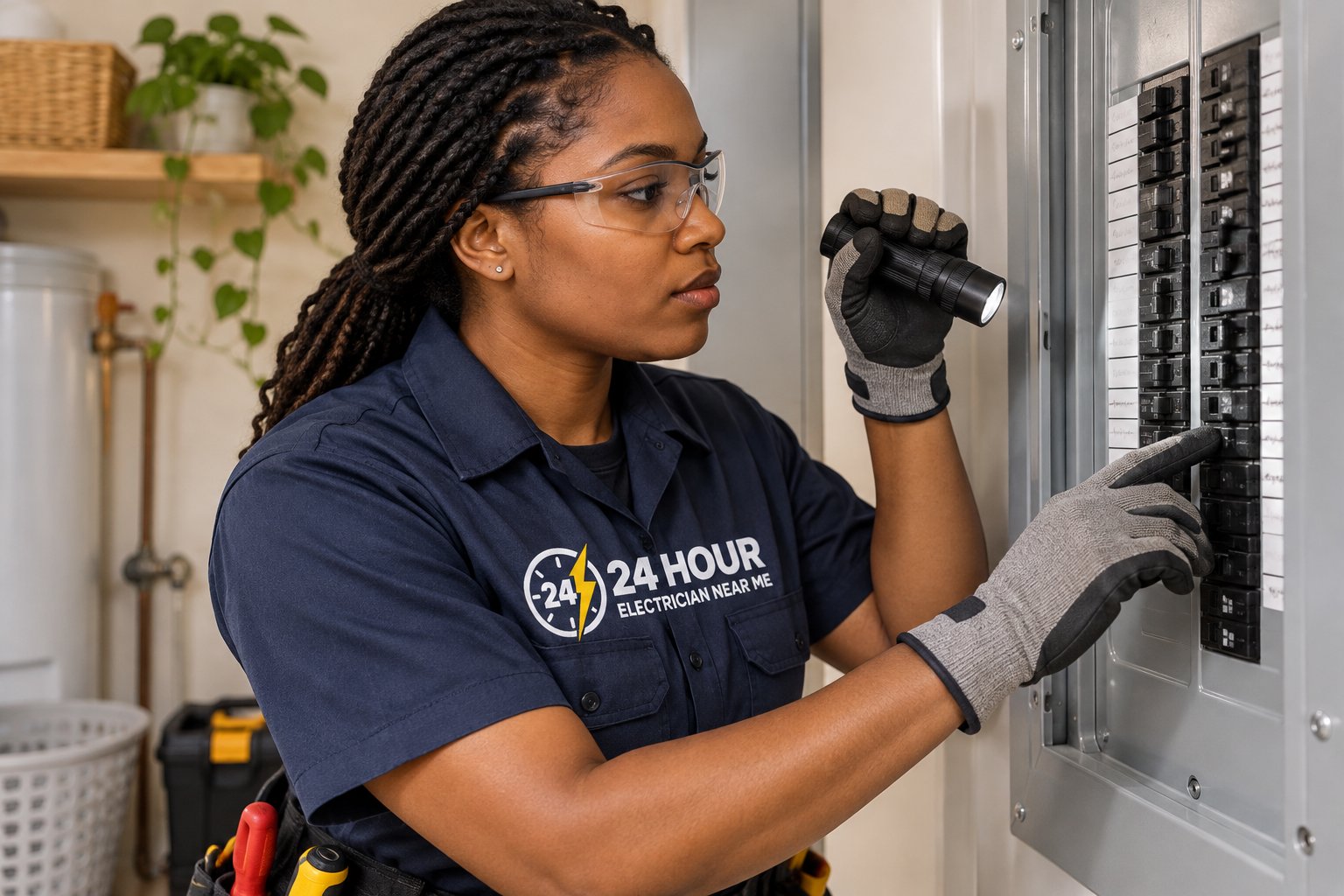
The signs that suggest a fault rather than ordinary use: the increase is sharp and persists, the usage figure rose while nothing in daily routine changed, one room or one appliance has begun to behave oddly, or other symptoms appear alongside the bill, such as warm outlets, a breaker that trips, flickering or a humming panel.
If you recognize those signs, the sections below explain what could be happening. If you see burning smells or sparks, skip this page and read about burning smells from outlets, and call 911 for smoke or flame.
Ground faults and leakage: power that goes where it should not
Electricity is meant to travel out along the hot conductor and return along the neutral. A ground fault happens when some of that current finds another path, through a damaged insulation, wet connection or metal enclosure, toward the ground. If the leakage is small, nothing trips and nothing seems wrong, yet the meter counts every bit of energy that flows.
Small, continuous leaks can come from many places. Moisture in an outdoor junction box, a cracked pool light cable, a buried feeder to a detached garage with damaged insulation and a heating element with failing insulation are typical examples. The loss is not large in any one instant, but it is constant, and constant adds up across a billing cycle.
Standard breakers do not detect small ground faults. Ground fault protection devices, which trip on very small imbalances, are designed to catch them, and they exist at kitchen, bathroom, garage and outdoor locations. A protection device that trips with no obvious cause is telling you that something downstream is leaking. See our guide on GFCI breakers versus outlets.
Leakage is more likely where water and electricity meet. In Florida, irrigation controllers, pool and spa equipment, outdoor lighting, boat lifts and dock wiring all fall into that category. A ground fault in those places can also be a shock hazard, not only a billing issue, which is why it deserves attention.
A technician looks for ground faults with insulation resistance testing and by isolating circuits one at a time. That process can reveal a leaking circuit even when everything seems to work normally.
Air conditioning equipment that has lost efficiency
In a South Florida home, the single largest electrical load is the air conditioning system, so it is the first place to look when bills jump. A system that has lost efficiency runs longer and draws more current to deliver the same cooling.
Common electrical contributors include a weak run capacitor, which makes the compressor or fan motor work harder and draw more current; a failing contactor with pitted contacts, which can cause voltage drop and extra heating; loose or corroded connections at the condenser disconnect, which add resistance; and a blower motor that is drawing high current because its bearings are failing.
Not all of these are electrical problems in the strict sense, and some are refrigerant or airflow problems that an HVAC contractor handles. A dirty filter, a blocked coil or low refrigerant makes the system run long cycles. An electrician and an HVAC technician each cover part of the picture, and an honest assessment recognizes where one ends and the other begins.
What you can observe safely: Does the system seem to run nearly constantly? Is the house slow to cool? Do the lights dim when the outdoor unit starts? Do you hear unusual humming or clicking from the unit? Those clues help a technician decide where to look. If lights dim every time the system starts, our page on lights dimming when the AC starts explains why.
Electrical work around the condenser, such as the disconnect, the whip and the breaker, falls under AC condenser electrical connection service. Refrigerant, coil and duct issues belong to an HVAC contractor.
Water heaters, pool pumps and other hidden big loads
After air conditioning, a handful of appliances account for much of a home's consumption, and they often operate out of sight. When one of them malfunctions, it can quietly raise the bill for weeks before anyone notices.
An electric water heater has heating elements controlled by thermostats. A thermostat that sticks closed, or an element that has partly failed and short cycles, can keep the heater working far longer than needed. Sediment buildup in the tank makes elements work harder. A tank in an unconditioned garage loses heat to the surroundings and cycles often.
A pool pump is a motor that can run for many hours each day. If the timer has been reset by a power flicker, if the pump runs around the clock because the timer failed or if a motor bearing is dragging and drawing high current, consumption rises noticeably. See our page on pool equipment tripping the breaker for the electrical side of pool systems.
Other loads that deserve a look include a second refrigerator or chest freezer in the garage, which works hard in heat, a dehumidifier running continuously, a sump or sprinkler pump with a stuck switch, a dryer with a clogged vent that runs long cycles and electric resistance heaters left on in a guest room.
A simple observation step is to walk through the house and list what is running and what has been running for a long time. You are not looking for danger here, only for anything that has been on far longer than you intended.
Aging appliances and devices that draw more as they wear
Equipment does not always fail outright. Many devices lose efficiency slowly, and the extra current they draw shows up as a gradual rise in the bill that is easy to miss.
Refrigerator compressors, especially older units, can run more as door gaskets harden and condenser coils collect dust. Motors in fans, pumps and appliances develop friction as bearings wear, drawing more current for the same work. Old incandescent and halogen fixtures remain in many homes, and a house with many of them, particularly recessed cans that hold several bulbs each, consumes more than an equivalent LED setup. Our page on LED or smart lighting upgrade choices covers that option.
Phantom or standby loads add up too. Many electronics draw power while apparently off: game consoles, set-top boxes, chargers, older televisions and appliances with clocks. Individually they are small, but a house full of them contributes steadily. Switched power strips make it easy to cut them off completely.
Another source is a failing power supply or transformer, such as the one on a doorbell, a security system or a landscape lighting set. A transformer that is shorted or overloaded can run warm continuously and waste energy. If something plugged in feels unusually hot when it should be idle, it deserves a closer look.
The point is not that every old appliance is a hazard, but that equipment age is a legitimate explanation for a rising bill, and it is a decision a homeowner can make with information rather than guesswork.
Wiring faults that waste power or cause heat
Some bill increases come from the wiring itself. Resistance in a connection converts electricity into heat, and the meter counts the energy used. A single loose connection does not waste much, but a pattern of poor connections can.
Loose terminals, corroded splices, undersized conductors on long runs and aluminum wiring with failing connections all add resistance. If a heavy appliance is on a long circuit with voltage drop, it may draw more current to deliver the same power, and the wiring loses a portion as heat before the appliance ever sees it.
A neutral problem can also distort things. A loose or damaged neutral conductor causes unbalanced voltages, where some lights go dim and others bright and appliances run under or over voltage. Equipment operating on the wrong voltage can overheat and draw more current. Our page on power flickering after a storm explains neutral issues in more detail.
Wiring that was modified over time, such as additions and conversions, may have circuits overloaded by later equipment. A circuit working near its limit heats its connections and is a candidate for upgrade.
Heat is the thread connecting these causes. If you notice warm cover plates, discolored outlets, a buzzing panel or flickering lights alongside the higher bill, wiring is a real suspect. In that case, an inspection is more useful than guessing. Our electrical safety inspection service is built for exactly this.
What you can safely observe before calling
There is a lot you can learn without opening anything. Start with the meter itself, outside the house. Switch off the large known loads, close up the house and see whether the meter is still moving fast. Digital meters may show a rate indicator or a flashing element. A meter that moves briskly when you believe almost everything is off means something is still drawing power, which is a very useful clue for a technician.
Check your usage history if your utility provides online access or a smart meter display. Look for the shape of the increase. A sudden step on a particular date often points to a specific event: a new appliance, a storm, a repair or a timer reset. A gradual climb suggests aging equipment or seasonal change.
Walk the house and note what is running. Look in the garage, on the lanai, in the pool equipment area and in guest rooms. Note anything warm, humming or running constantly.
Feel appliances and chargers that should be cool. A power brick that is hot to the touch while idle is wasting energy and may be failing. A warm outlet cover is more serious and should be reported.
Do not open the panel, remove covers or probe the meter. The meter socket and service equipment belong to the utility and to qualified electrical contractors, and they carry full service voltage. Our guide on utility meter and service responsibilities explains who handles what.
Write down what you find. A short list, with dates and the pattern of the increase, shortens the diagnostic visit.
What a technician does to trace the cause
A good diagnostic visit is methodical. It begins with your observations and the billing pattern, then moves to measurements.
The technician may measure the current drawn by the whole house with a clamp meter at the service and compare it to what the known loads should draw. If the total is higher than expected, branches are checked one at a time by switching circuits off and watching the change.
Ground fault and leakage testing helps find circuits losing current to ground. Insulation resistance testing checks the health of cable insulation on suspect runs, especially outdoors and underground.
Large loads are checked individually: the air conditioner's current draw and capacitor condition, the water heater's elements and thermostats, pool equipment, and other motors. Thermal imaging, where available, can reveal warm connections in the panel and at devices that are invisible to the eye.
Voltage is measured at the service and at the far ends of long circuits. Low or unbalanced voltage suggests problems with neutral connections or voltage drop. In some cases, the technician will identify equipment that is not electrical in nature, such as refrigerant or airflow trouble, and will recommend the right trade rather than guessing.
Findings are explained in plain language with what is urgent, what is advisable and what is optional. A service call charge applies for the visit and is explained on the phone before dispatch. Quotes are only given by phone, and larger jobs need an on-site look first.
Making sensible decisions once the cause is known
Once the source is identified, the options usually fall into three groups. Safety-related repairs come first: a ground fault, a hot connection or a failing component that can overheat. These are not about the bill, and they should not wait on a cost-benefit calculation.
Next are repairs that restore proper operation, such as replacing a weak capacitor, a stuck thermostat or a failing motor. These protect the equipment and bring consumption back to normal.
Finally come optional improvements: upgrading old lighting, adding surge protection, installing timers or smart controls and consolidating loads on dedicated circuits. These are choices that reflect your priorities. Our page on surge protection and the related guide on summer peak load and AC electrical demand help frame them.
Avoid chasing the bill with random replacements. Swapping appliances without evidence is expensive and may not change anything. Measure first, then decide. And if your utility offers a usage audit or detailed breakdown, use it alongside a technician's findings.
If you have a rising bill and cannot explain it, call. Describe the pattern, any other symptoms and what you have already checked. A short conversation will tell us whether an on-site visit makes sense, and the service call charge and the process will be explained before anyone is sent.
Questions people ask
Can a wiring problem really raise my electric bill?
Yes, though usually indirectly. Loose connections and voltage drop turn some energy into heat, and ground faults can leak current continuously. More often, though, the culprit is equipment such as an air conditioner, water heater or pool pump working harder or longer than it should. A technician measures to tell which one it is.
My bill went up but nothing is tripping. Could there still be a fault?
Yes. Standard breakers only react to large overloads and shorts. Small leakage to ground, a weakening motor or a thermostat that sticks can raise consumption without tripping anything. If the rise is sharp and persists without a clear reason, a diagnostic visit is a reasonable next step.
How can I tell whether the meter is showing a hidden load?
Turn off the big known loads, such as air conditioning and the water heater breaker if you can do so safely, and watch the meter from outside. If it still spins or flashes quickly, something is drawing power. Do not open or touch the meter itself. Report what you saw so the technician knows where to start.
Is air conditioning more likely than wiring to blame?
In South Florida, usually yes, because cooling is the largest household load for much of the year. Still, electrical conditions such as a weak capacitor or loose condenser connections affect how hard it works. A technician can check the electrical side and point you to an HVAC contractor if refrigerant or airflow is the issue.
Will replacing old appliances fix a high bill?
Sometimes, but guessing is costly. Replace a device when measurement or clear symptoms show it is drawing too much, not just because it is old. Diagnosing first tells you whether the problem is an appliance, a circuit or simply how much the house is being used.
How are quotes handled for this kind of visit?
Quotes are given only by phone. A diagnostic visit is typically needed before pricing repair work, and a service call charge applies, which is explained on the phone before anyone is dispatched. Call, describe the pattern you have noticed and we will explain the next step.
For "Why Your Electric Bill Suddenly Rose", a phone call comes first. Describe the circuit, the breaker or the equipment, and we will talk through the safe next steps and whether the job needs an on-site look.
Related pages
- Safety Assessment: Guide to a limited electrical safety assessment in South Florida: what is checked, warning signs, how findings are recorded and next steps.
- Lights Dim With AC: Lights dip when the air conditioner kicks on? Learn what a normal startup surge looks like, when it signals a loose connection, and when to call.
- Summer Load: Why South Florida summers strain home electrical systems: long AC run times, heat on panels and wiring, and how weak points appear in July and August.
- Whole-Home & Commercial: A practical guide to layered residential and commercial surge protection in Broward County and the cities from Boca Raton to North Miami.
- Flickering Lights: Why house lights flicker: separating bulb, switch, circuit and utility service causes, and which flicker patterns call for an electrician right away.
- Damaged Meter Box: A meter box knocked loose by a vehicle, storm or rust is a hazard. Learn what to avoid, who handles which side, and what an electrician checks.