
Why the electrical system deserves attention in a purchase
The electrical system touches everything in a house: air conditioning, kitchen appliances, lighting, pool equipment, safety devices and the outlets where you will plug in your life. Problems can range from minor, such as a few loose receptacles, to serious, such as an outdated panel that insurers will not accept. Because wiring is mostly hidden, it is hard to judge from a walk-through.
In South Florida, houses range from mid-century concrete block homes to recent construction, with many additions and renovations in between. Each era has typical materials and typical issues. A house built in the 1960s may have a panel that has been replaced, an original panel or a mix of both, and the wiring inside walls may have been extended by several owners over the years.
Electrical findings matter in a purchase for three reasons. They affect safety, they affect insurability and they affect cost. A buyer who learns about a panel problem during the inspection period has options, including asking the seller to correct it, negotiating the price or planning the repair. A buyer who learns after closing has only one option, which is to pay for it.

What a general home inspector checks, and what they do not
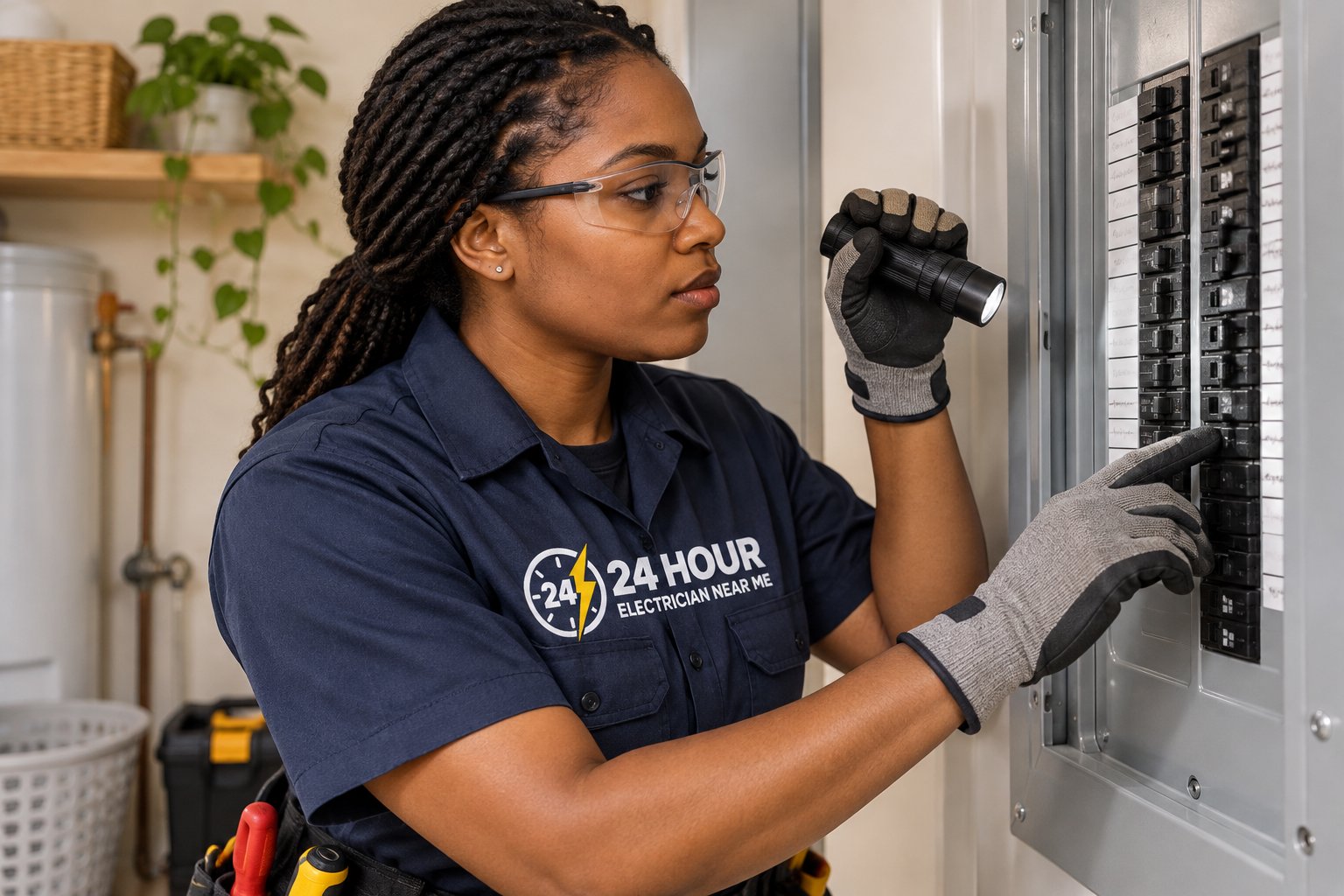
A general home inspector typically removes the panel cover, looks for obvious problems such as double-tapped breakers, missing knockouts or signs of overheating, tests a sample of outlets, checks ground-fault protection where present, and notes the type of wiring they can see. They record the panel brand, the amperage rating and the general condition. They also look for visible issues like exposed wires, missing cover plates and amateur splices.
What inspectors usually do not do is open walls, trace circuits, test every outlet, evaluate whether the wiring is adequate for a planned renovation or measure voltage drop on long runs. They cannot see inside conduit, behind finished ceilings or underground. Their report is a snapshot of visible, accessible conditions on the day of the inspection.
If the inspector notes something that needs a closer look, such as a recalled panel brand, aluminum branch wiring, signs of overheating or unusual wiring methods, ask for an evaluation by a qualified electrician. Our pages on Federal Pacific panels and aluminum wiring remediation describe two issues that commonly come up.
Questions to ask about the panel
The panel is the heart of the system, and it tells you a lot. Ask when it was installed, whether it was replaced under a permit and who did the work. Look at the label on the panel door: it should show the brand, the rated capacity and a circuit directory. A panel with no labels, or with handwritten labels that do not match, suggests it has not been maintained.
Ask what size service the house has and whether it matches the loads. A house with central air conditioning, an electric range, a dryer, a pool and a water heater needs a robust service. If the house has been expanded or equipment has been added, the panel may be overloaded. Look at whether there is room for additional circuits, since many older panels are full.
Certain panel brands have a history of problems and are often flagged by insurers. Ask the seller or the inspector whether the panel is one of them. Our guides on Zinsco and older panel brands and panel repair explain what these concerns are and how they are usually addressed. If a panel replacement is likely, it is better to know before negotiating.
Questions to ask about wiring age and materials
Ask the seller what they know about the wiring. Was the house rewired? Are there additions, a converted garage or a screened porch that was enclosed? Each of these may have different wiring methods. Cloth-covered or brittle insulation, ungrounded two-prong outlets and wiring methods that look improvised are all signs of age or amateur work.
Older homes in South Florida may include aluminum branch wiring from certain periods, knob and tube in very old buildings, or wiring in conduit that has corroded in humid or coastal conditions. Our page on wiring in older Florida homes explains what is typical in mid-century construction and how it ages in this climate.
Look for practical clues during the walk-through. Test whether outlets are loose, whether three-prong outlets are actually grounded, whether switches are warm or discolored and whether lights flicker. Ask about breakers that trip. A pattern of small problems often points to a larger one, and a technician can tell you which is which. You do not need to become an electrician, but you can notice enough to ask good questions.
Permits and past work
Past permits are one of the most useful records in a purchase. Ask the seller for the permit history for electrical work, panel changes, additions and renovations. Many city and county permit offices let the public search for permits by address, so you can check independently. Open or expired permits can become your responsibility after closing, and unpermitted work can cause trouble with insurance and future sales.
If the seller says a panel was replaced or a room was added, ask for the permit number and the final inspection record. Work that was done without a permit may still be safe, but it may also hide shortcuts. Ask the inspector or an electrician to look at it with that in mind. Our pages on permitted and unpermitted work and electrical permits in South Florida explain how the process works and why it matters.
If you find unpermitted work, discuss options with your real estate professional and attorney. Depending on the circumstances, the seller may agree to obtain a permit, the repair may be done before closing, or you may negotiate. Ask the local permit office how they handle after-the-fact permits, since the approach varies.
Insurance, lenders and the electrical report
Insurance companies in Florida pay close attention to electrical systems because of fire risk. Many ask about panel brands, wiring types and the age of the system, and some request an inspection report before issuing or renewing a policy. A panel or wiring condition that a carrier dislikes may lead to a request for repairs, a higher premium or a refusal to write coverage until the problem is fixed.
Talk to an insurance agent early in the process, before the inspection period ends. Ask what the carrier requires for houses of that age and what wiring or panel conditions are problems. This information can shape what you ask the seller to repair. Our page on insurance inspections and electrical findings explains common notes and how owners respond.
Lenders may also have requirements, especially for loans backed by government programs that require safe, sound and habitable condition. If the inspection report flags electrical defects, the lender may require repairs before closing. Treat the report as a negotiation tool, but remember that timelines are tight and repairs take time to schedule.
Bringing in an electrician during the inspection period
If the general inspection finds electrical concerns, or if the house is older, has had many additions or has an unusual setup, consider a focused visit from an electrician during the option period. The electrician can open the panel, test circuits, trace wiring where accessible and give an opinion about what needs correction, what is optional and what can wait.
Tell the electrician what the inspector noted, and what you plan to do with the house. A buyer who plans to add an electric vehicle charger, a pool, a large kitchen or a second air conditioning system needs to know whether the service can support it. Our guides on choosing electrical service size and electrical safety inspections cover how those evaluations typically work.
Schedule early. Option periods are short, and seller access is limited. Give the electrician the address, the seller's agent contact and the inspection report if you have it. Ask what the visit will cover, and be clear that you need a written summary you can share with the seller, your agent and your insurer.
Climate, coastal exposure and the outdoor equipment
South Florida's climate is hard on electrical equipment, and a buyer should look outside as well as inside. Humidity, summer storms and salt air near the coast all speed up corrosion. Walk around the house and look at the meter socket, the service mast and weatherhead, outdoor disconnects near the air conditioning condenser, pool equipment and exterior outlets. Rust streaks, swollen enclosures, cracked covers and loose conduit are signs that weather has been working on the system for some time.
Check the exterior receptacles and fixtures. Covers should close properly, and outlets exposed to rain should have weather-resistant covers that stay in place. Fixtures that are rated for dry locations but mounted outdoors tend to fill with water and corrode. Our pages on salt air and electrical corrosion and humidity and electrical systems explain what to look for.
Pools and docks add their own electrical needs. A pool has bonding, ground-fault protection and equipment wiring that must be correct for safety. If the property has a pool, spa, boat lift or dock, ask the seller about the permit history for that equipment and ask a qualified electrician to check it. Mistakes around water are among the most dangerous in any home.
Finally, consider storm readiness. Ask whether the house has a generator inlet or transfer equipment, whether it was installed under a permit and whether it is working. If you plan to add backup power, ask what the panel can support. Buying a house is a good time to plan for hurricane season, not after the first warning.
A buyer's walk-through checklist
None of these steps require touching live equipment, and none of them replace a professional evaluation. They help you notice patterns and decide what to ask. If anything looks hot, burnt or unsafe, stop and leave it to a qualified electrician.
- Open and close every exterior receptacle cover and check that each one is firm in the wall.
- Look at the panel door label and note the brand, the rated capacity and whether the directory matches the rooms.
- Notice whether kitchen, bathroom, garage and outdoor outlets look like ground-fault protected types with test and reset buttons.
- Check for discolored cover plates, melted plastic or a burnt smell near any outlet or switch.
- Turn lights on in every room and watch for flickering, buzzing or dimming when the air conditioning starts.
- Count how many two-prong outlets, loose outlets or extension cords the house relies on.
- Ask about breakers that trip and which circuits are affected.
- Take photographs of the panel, the meter and any labels so a qualified electrician can review them later.
Using what you learn: negotiating and planning
Electrical findings fall into three groups. Safety issues, such as exposed wiring, overheating, damaged panels and missing ground-fault protection in wet areas, should be corrected, ideally before closing. Insurability issues, such as certain panel brands or wiring types, should be understood and addressed in a way your insurer will accept. Upgrade items, such as adding circuits or outlets, are your choice and part of your plan for the house.
Use the written findings to have a calm, specific conversation with the seller. Rather than asking for a general credit, ask for repairs by a qualified, permitted contractor with documentation, or negotiate a credit once you have a quote from a contractor. Remember that quotes are provided after an on-site look for anything complex.
When you are ready to talk about a house you are considering, call and describe what you have seen, the age of the home and what the inspector noted. The office can explain how a visit works and how the service call charge is handled before anyone is dispatched. Prices are given by phone, and larger jobs need to be seen in person first.
Questions people ask
Is a general home inspection enough for the electrical system?
It is a good start, but it covers only visible and accessible conditions. If the report notes an older panel, unusual wiring, signs of overheating or amateur work, ask a qualified electrician to take a closer look during the inspection period. Their findings can help you decide what to repair, what to negotiate and what to plan for.
Why do insurers care about the electrical panel?
Electrical problems are a recognized source of house fires, and some panel brands and wiring types have a history that insurers consider higher risk. Carriers may ask for an inspection, request repairs or decline coverage until conditions are corrected. Ask an insurance agent early what a carrier requires for a house of that age.
How can I check whether past electrical work was permitted?
Many city and county permit offices let the public search permits by address, and the seller may have records of final inspections. Ask for permit numbers for panel changes, additions and renovations. If work appears to be unpermitted, discuss options with your real estate professional and attorney, and ask the permit office how after-the-fact permits are handled.
Should I worry about a house with an old panel?
Age alone is not the issue. Condition, brand, capacity and how the panel has been modified matter more. Some older panels are still serviceable, while others are flagged by insurers or show signs of heat damage. A qualified electrician can open the panel, evaluate it and tell you whether repair, replacement or no action is appropriate.
Can I ask the seller to fix electrical problems?
Yes, buyers commonly ask for repairs or credits based on inspection findings, within the terms of the contract and the option period. It helps to attach written findings from a qualified electrician and to ask for work by a permitted contractor with documentation. Your real estate professional can advise how to structure the request.
How do I get a price for electrical repairs before closing?
Prices are given by phone only, and complicated jobs need an on-site visit first. There is a service call charge, explained on the phone before anyone is dispatched. Give the address, the inspection findings and your timeline when you call so the visit can be scheduled within the option period.
If "Electrical Checks Before Buying a Home" sounds like your problem, call and describe what you see, hear or smell at the panel, the outlet or the fixture. We explain what the work involves, and some jobs need a visit before a quote.
Related pages
- Insurance Findings: Common wiring and panel notes in insurance inspection reports, what they usually mean, and how owners respond so coverage can be bound or renewed.
- Older Home Wiring: Wiring materials found in mid-century South Florida construction, how they age in humid conditions, and signs that an older system needs attention.
- Safety Assessment: Guide to a limited electrical safety assessment in South Florida: what is checked, warning signs, how findings are recorded and next steps.
- Federal Pacific Panels: History and concerns about Federal Pacific Stab-Lok panels in older South Florida homes, how to recognize one and what owners can do next.
- Service Size: How 100, 150 and 200 amp electrical services fit different South Florida homes, and what changes the answer: AC, EV charging, pools and additions.
- After the Hurricane: Post-storm electrical hazards: damaged service equipment, flooded panels, generator misuse, and how to know when it is safe to restore power to a home.